One of the most difficult aspects of the production of the remake was attempting to note down the shots in the actual title sequence along with small little details about what is in the shot. We tried to get as many shots similar to the actual title sequence, for which we scouted for locations such as a canal and a shop. Despite missing out a few shots, we did manage to replicate the majority of the shots from the final product.
In post production, we attempted to use a similar font to the one that was used in the actual title sequence so that it managed to suit the tone of the film, much like the actual film did. I believe the font used was a variation of Futura. We also managed to go some basic colour grading in Premiere Pro by playing with Brightness, Contrast and Saturation in order to match the overall tone and feel of the piece. We also added a 2.35:1 widescreen PNG which not only matched to the original title sequence, but also added an entirely new professional look to the overall piece. All of the work done in post-production helped us to enhance our skills in software such as Premiere Pro and After Effects.
Overall, I feel that the piece turned out incredibly well as it looked very professional and had a resemblence to the original title sequence. However, I feel that if we were to do it again, we would have carried it out better and been more efficient shot-wise so that we had all of the shots as we have learnt about management of time, as well as enhancing our editing skills.
Monday, 31 October 2016

Thursday, 20 October 2016
Evaluation of Tittle Sequence Remake - By Jada-Kai
Remake Evaluation
The most difficult aspect of create a remake was trying to accurately note down each shot by watching the original, and it was even harder trying not to miss out details. We had to stay local but we were able to get footage of houses as well as greenery and the main location - a river or canal - for the image that was o be used in the background of the title credit. We tried to find a font closest to the one used in the original. This meant it had to be a simple, serif font in white to create contrast with the background images. Our chosen font was almost identical to the original font so it suited the styles of the film perfectly.
When editing, we carefully paid attention to the 'safe zone' around the edge of the frame to ensure that the title credits appear fully on the screen - as opposed to being cut off. We paid careful attention to the placement of titles in the original film and attempted to copy it exactly. In the process, we developed our editing skills in Premiere Pro and Adobe Aftereffects.
If we were to complete this task again, it would most probably have an even more professional outcome as we'd have been able to practice our editing skills before hand.
The most difficult aspect of create a remake was trying to accurately note down each shot by watching the original, and it was even harder trying not to miss out details. We had to stay local but we were able to get footage of houses as well as greenery and the main location - a river or canal - for the image that was o be used in the background of the title credit. We tried to find a font closest to the one used in the original. This meant it had to be a simple, serif font in white to create contrast with the background images. Our chosen font was almost identical to the original font so it suited the styles of the film perfectly.
When editing, we carefully paid attention to the 'safe zone' around the edge of the frame to ensure that the title credits appear fully on the screen - as opposed to being cut off. We paid careful attention to the placement of titles in the original film and attempted to copy it exactly. In the process, we developed our editing skills in Premiere Pro and Adobe Aftereffects.
If we were to complete this task again, it would most probably have an even more professional outcome as we'd have been able to practice our editing skills before hand.
Wednesday, 19 October 2016
Tuesday, 18 October 2016
Genre Shortlist
Genre Shortlist
So far, I'm interested in exploring the following three genres:
1) Horror
2) Thriller
3) Fantasy
These could even be combined to create a hybrid genre...
So far, I'm interested in exploring the following three genres:
1) Horror
2) Thriller
3) Fantasy
These could even be combined to create a hybrid genre...
Task 18 - Genre Shortlist
Below are my top three preferred genres, some conventions of this genre and an example of a film I like within this genre. However, these or some of these could be combined to create a hybrid genre.
Genre Preference 1:
Genre: Mystery
Conventions of this genre: spies/detectives, crime, journey towards gaining an achievement,
Example of a film from this genre: Now You See Me

Genre Preference 2:
Genre: Action
Conventions of this genre: fast-paced, stunts, car-chases, weapons, fight scenes
Example of a film from this genre: Captain America: The First Avenger

Genre Preference 3:
Genre: Psychological Thriller
Conventions of this genre: suspense, plot-twists, low-key lighting, jump scares (jump cuts), shady/disturbed character, enigmas to keep the audience 'in the dark'
Example of a film from this genre: Inception

Genre Preference 1:
Genre: Mystery
Conventions of this genre: spies/detectives, crime, journey towards gaining an achievement,
Example of a film from this genre: Now You See Me

Genre Preference 2:
Genre: Action
Conventions of this genre: fast-paced, stunts, car-chases, weapons, fight scenes
Example of a film from this genre: Captain America: The First Avenger

Genre Preference 3:
Genre: Psychological Thriller
Conventions of this genre: suspense, plot-twists, low-key lighting, jump scares (jump cuts), shady/disturbed character, enigmas to keep the audience 'in the dark'
Example of a film from this genre: Inception

Monday, 17 October 2016
Research: Genre Conventions
All genres have codes and conventions or 'genre signifiers'. Genre tropes are symbols that frequently appear in many films of the same genre. For instance, in Romance films, there is almost always a love interest and dilemma faced by a couple, in Horror films an old or abandoned house is generally included and in Action films there is normally a heroic person trying to get justice by undermining an enemy. These are just a few of the genre signifiers and symbols that help audience decide what they want to view.
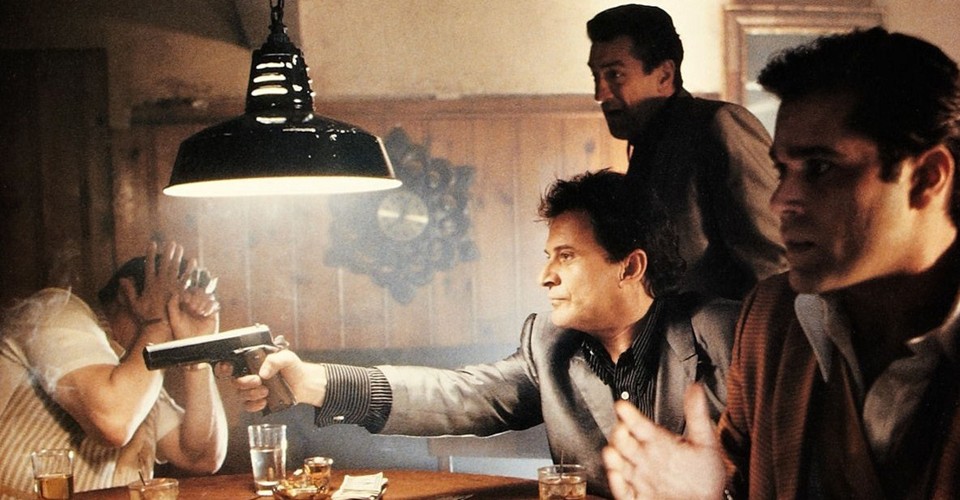
Crime films such as Good Fellas are commonly identified by the gambling tables, guns and money props whilst Fantasy films can be distinguished by the supernatural or unearthly creatures and characters. On the other hand, children's films are more of a broad genre and can include a range of tropes. However, they are more commonly identified by the use of animation, childlike themes and exaggerated narratives.
Crime films such as Good Fellas are commonly identified by the gambling tables, guns and money props whilst Fantasy films can be distinguished by the supernatural or unearthly creatures and characters. On the other hand, children's films are more of a broad genre and can include a range of tropes. However, they are more commonly identified by the use of animation, childlike themes and exaggerated narratives.
Research Task 11 - Genre
What is genre?
Genre pretty much means a type or category that appears in media. They are used as a way to categorise different styles of media and single out the generic features and conventions. At also helps to establish certain expectations and familiarity in audiences that know the genre, and it helps audiences to develop personal tastes around genre and consumption/what they do or don't necessarily like.
Within genres, there can be sub-genres. These or specific subdivisions within the genre. There are also hybrid genres, which merge themes, codes, conventions and elements from multiple different genres. Codes and conventions are common generic elements that are associated with specific genres. Genre tropes, however, are familiar and repeated themes, motifs, styles or characters.
My first genre preference would be Sci-Fi.
The main generic conventions of sci-fi films are the use of special/visual effects and the other use of computer-generated imagery. The setting is usually in the distant future and is set in either outer space or other worlds. There are typically a lot of close ups of futuristic elements used throughout, and usually has a narrative focussed on the battle between good and evil.
 Screenshot from the 'Death Star Assault' from 'Star Wars Episode IV: A New Hope'.
Something different that the Star Wars franchise does compared to other Sci-Fi films is that it is set a long time into the past rather than the distant future.
My second preference would be Comedy.
The main generic conventions of comedy films include the use of setting. Comedy films usually occur in bright places which suits the overall jolly and humorous tone of the genre. The cinematography of most comedy films is realistic and naturalistic, as it can really involve the audience and make them feel like the scenes, despite sometimes being melodramatic, could possibly occur in real life. The character types usually consist of idiotic people that contrast to normal people that surround them, which emphasises the differentiation in personalities between them and makes them seem all the more idiotic.
 Screenshot from the 'Fight scene' from 'Anchorman 2: The Legend Continues'.
My final preference would be Action.
The main generic conventions of action films consist of using things like weapons i.e knives and guns. There are also usually a lot of fights, explosions and crashes, as well as pursuits, either on foot or in a vehicle. it is usually set in a big city, and uses a lot of fast cars a lot of high-tech things. There is commonly a lot of mass destruction.
 Screenshot from the 'Construction Site Pursuit' in 'Casino Royale'.
Genre pretty much means a type or category that appears in media. They are used as a way to categorise different styles of media and single out the generic features and conventions. At also helps to establish certain expectations and familiarity in audiences that know the genre, and it helps audiences to develop personal tastes around genre and consumption/what they do or don't necessarily like.
Within genres, there can be sub-genres. These or specific subdivisions within the genre. There are also hybrid genres, which merge themes, codes, conventions and elements from multiple different genres. Codes and conventions are common generic elements that are associated with specific genres. Genre tropes, however, are familiar and repeated themes, motifs, styles or characters.
My first genre preference would be Sci-Fi.
The main generic conventions of sci-fi films are the use of special/visual effects and the other use of computer-generated imagery. The setting is usually in the distant future and is set in either outer space or other worlds. There are typically a lot of close ups of futuristic elements used throughout, and usually has a narrative focussed on the battle between good and evil.

Something different that the Star Wars franchise does compared to other Sci-Fi films is that it is set a long time into the past rather than the distant future.
My second preference would be Comedy.
The main generic conventions of comedy films include the use of setting. Comedy films usually occur in bright places which suits the overall jolly and humorous tone of the genre. The cinematography of most comedy films is realistic and naturalistic, as it can really involve the audience and make them feel like the scenes, despite sometimes being melodramatic, could possibly occur in real life. The character types usually consist of idiotic people that contrast to normal people that surround them, which emphasises the differentiation in personalities between them and makes them seem all the more idiotic.

My final preference would be Action.
The main generic conventions of action films consist of using things like weapons i.e knives and guns. There are also usually a lot of fights, explosions and crashes, as well as pursuits, either on foot or in a vehicle. it is usually set in a big city, and uses a lot of fast cars a lot of high-tech things. There is commonly a lot of mass destruction.

Research Task 19 - Remake planning decisions and storyboard
Planning Decisions
We have decided to make a title sequence for a film within the genre of thriller.
To make this decision we:
- looked at the title sequences we could work with for our remake
- put forward ideas of what genres we thought would be realistic
- thought about what genres we all liked. This would mean that we would know more about them and enjoy the project more
For our Practical Remake Activity, our group will be remaking the title sequence from Gone Girl (2014).
Storyboard


Task 16 - Why is sound so important in film?
Sound is 50%
Without sound the image on screen becomes confusing and disorientating as, although they are able to work out character roles and locations, the audience is unsure of how they should be feeling at any given point during the film. As soon as the audience has something to listen to along with the image, they are engaged. The action seems faster-paced and draws the audience in with specific details they otherwise might have missed.
Diegetic Sound
The diegetic sound used in film contributes to the realism of the action but somehow isolates the audience as, again, they are unsure of how to feel.
Non-Diegetic Sound
The non-diegetic sound used in film adds the dramatisation which is crucial for the creation of tension. This draws the audience in and makes them more aware of intended emotions.
Without sound the image on screen becomes confusing and disorientating as, although they are able to work out character roles and locations, the audience is unsure of how they should be feeling at any given point during the film. As soon as the audience has something to listen to along with the image, they are engaged. The action seems faster-paced and draws the audience in with specific details they otherwise might have missed.
Diegetic Sound
The diegetic sound used in film contributes to the realism of the action but somehow isolates the audience as, again, they are unsure of how to feel.
Non-Diegetic Sound
The non-diegetic sound used in film adds the dramatisation which is crucial for the creation of tension. This draws the audience in and makes them more aware of intended emotions.
Sunday, 16 October 2016
Research Task 18 - Genre Shortlist
1: Horror - my all time favourite gene is horror. I've alway enjoyed watching them and I love the way that suspense gets built up along with the thrill it gives.
2: Thriller - I am a fan of thriller films because they have a different way of building suspense throughout the film that gives off tension and sometimes fear.
3: Comedy - I also enjoy watching comedy films as they are always lighthearted and always have an atmosphere that brightens your mood and makes you laugh.
2: Thriller - I am a fan of thriller films because they have a different way of building suspense throughout the film that gives off tension and sometimes fear.
3: Comedy - I also enjoy watching comedy films as they are always lighthearted and always have an atmosphere that brightens your mood and makes you laugh.
Friday, 14 October 2016
Research Task 16 - Why is sound so important in film?
Sound can be seen as 50% of the entire film. It is used to establish tone, atmosphere, and to help convey different clues about the plot to the audience, as well as portray details about different characters and to, in general, identify the genre of the film. It allows the audience to engage with what is happening with the film, as it is able to add depth to the picture. It can make the film seem 3 dimensional, as it creates realism for the audience, which then encapsulates the viewers attention.
In films, there are multiple sound terms used. Some of these terms consist of:
Ambient Sound - Background sounds presented in a scene.
Diegetic - Sound that is visible in the film.
Non-diegetic - Sound not visible in the film, which is added in post production.
Dubbing - Adding musical sounds in the background.
Foley - Making sound effects in post-production to add realism to the film.
Sound bridge - Sound that carries over a transition.
Diegetic sound within the scene is able to create a sense of naturalism, however it is unable to fully reflect feeling or tone. The use of non-diegetic sound, however, is able to help the viewer what different characters are feeling, and can relay to the audience what they should be feeling regarding the sequence.
If there is only diegetic sound, the scene lacks tension and, despite being more realistic, can feel extremely awkward. However, if there is just non-diegetic audio, the sequence can seem lacklustre and, despite setting tension, seems confusing as we don't understand the characters. Furthermore, it makes it seem 2D. This is why the use of layering of sound to combine diegetic and non-diegetic sound is important as it can show the true value of tension.
In films, there are multiple sound terms used. Some of these terms consist of:
Ambient Sound - Background sounds presented in a scene.
Diegetic - Sound that is visible in the film.
Non-diegetic - Sound not visible in the film, which is added in post production.
Dubbing - Adding musical sounds in the background.
Foley - Making sound effects in post-production to add realism to the film.
Sound bridge - Sound that carries over a transition.
Diegetic sound within the scene is able to create a sense of naturalism, however it is unable to fully reflect feeling or tone. The use of non-diegetic sound, however, is able to help the viewer what different characters are feeling, and can relay to the audience what they should be feeling regarding the sequence.
If there is only diegetic sound, the scene lacks tension and, despite being more realistic, can feel extremely awkward. However, if there is just non-diegetic audio, the sequence can seem lacklustre and, despite setting tension, seems confusing as we don't understand the characters. Furthermore, it makes it seem 2D. This is why the use of layering of sound to combine diegetic and non-diegetic sound is important as it can show the true value of tension.

Thursday, 13 October 2016
Wednesday, 12 October 2016
Task 12 - BFI Statistics
Genre and Audience Research: BFI Statistical Yearbook
GENRE
In 2015, action, animation and drama were the most successful film genres at the UK box office compared to family, western and crime which were the least successful. However, in 2013-14 comedy was the genre releasing the most films with 153. Whereas, animation and action released only 33 and 47, respectively.
This suggests that film production is not directly proportional to audiences and popularity. The fact that action and animation, combined, only produced 80 films and were still able to be the most successful genres proves that, largely, people only see the films they know they will find interesting and enjoyable.
AUDIENCE
Within the 7 - 14 age group films such as Home, Big Hero 6 and Minions were most popular clearly showing that animation is the genre that most appeals to young children.
The 15 - 24 age group made up the largest proportion of cinema admissions across the UK, with comedy film Pitch Perfect 2 being the most successful within this range. Comedy was also the genre of the most popular film within the over 50s age group - the film being The Lady in the Van.
Within the 25 - 34 age group films such as Mad Max: Fury Road, Fifty Shades of Grey and Terminator Genisys (UK) were most popular.
Frozen, The Croods and Jack and the Giant Slayer were three of the most popular films within the 35 - 44 age group. At first, this may seem surprising but as this is the average age range for adults with young children, it isn't really and provides another reason for animation being one of the most successful genres at the box office.
Action films were the singular most popular genre with men whereas drama, comedy and fantasy were among those most popular with women.
Films most popular with middle-class audiences included The Hunger Games: Mocking Jay - Part 2 and Hotel Transylvania.
In London, Mad Max: Fury Road, The Martian and Home were some of the most popular films compared to The Theory of Everything in Scotland. This difference could be a result of the age differences within these regions. As London is the sixth richest city in the world it is a lot more likely to attract families - the sort of people who are more likely to watch the films listed above.
Research, Task 9: Analysis of a Title Sequence
Godzilla (2014)
The credits are mainly written in a small, white serif font that looks as though it has been produced by an old fashioned type writer or similar to the font used for coding. Each credit also appears in various places in the frame which creates harmony with the back ground images.
The non-diegetic background music, including loud percussion and violins, creates a dramatic tone and makes the viewer anticipate a climax.
The title sequence for Godzilla can be categorised as titles on 'titles over moving images'. It could also be identified as a 'discrete' title sequence as, although the credits aren't integrated into every image, they plot of the film isn't entirely revealed (although the viewer is given some hints. For example, images of destruction, explosions and military or naval images indicate that their are themes of danger and catastrophe). The themes presented by the background images foreshadow that there will be a threat to the characters later on in the film, therefore enticing the viewer.
The reason i like this sequence is because i enjoy the element of mystery, whilst the battle-like moving images in the background convey the tone of the film almost straight away.
Order of credits
- Production company ident (Warner Brothers)
- Distribution company ident (Legendary)
- Production company name
- Distribution company name
- Directory
- Actors names
- Casting director
- Costume
- Visual Effects Supervisor
- Visual Effects Producer
- Sound Design
- Music Director
- Composed and Conducted by...
- Editor
- Production Design
- Director of Photography
- Executive Producers
- Producer
- Owned and Created by
- Written by
- Screen Play by
- Directed by
- Title
Research, Task 11: Genre
Genre is the term used for the styles and categories of media text ; specifically film. These help to establish certain expectations for different types of film and gives the audience as choice as to what sort of film they wish to view. Different audiences get the choice of their preferred viewing experience.
Genres can then be further divided into sub categories or 'sub-genres' and can be combined to create hybrid genres. This means that hybrid genres contain more than one set of codes and conventions (common generic elements) which adds variety and targets a wider audience.
My three favourite genres are horror, thriller and fantasy:

- Still image from The Girl On The Train a (psychological) thriller film
The conventions of the thriller genre include an element of mystery, along with some dramatic irony. This normally helps to create tension and sometimes fear, helping to keep the audience gripped and curious. Thriller films are normally filmed using closing up shots and cut ins so that the audience cant always see what is outside of the frame, again, adding to the element of mystery.

- Still image Sinister a horror film
The main genre conventions of horror films are the use of special effects and computer generated images. They also heavily include scary makeup and exaggerated costumes in order to further make the super imposed images look more realistic. Most horror films have low key lighting to create a sense of unknown; leaving the audience 'in the dark' about what's to come. They are almost always edited with fast cutting or jump cuts to create frequent surprises and to make the audience themselves jump.
 - Still image from Pan's Labyrinth a fantasy film
The fantasy genre has a wide range of codes and conventions. For instance, they almost always include mythical and fiction characters who are involved in supernatural events. Mise en scene can vary widely depending on the themes, time its set, location and plot. In order to create surreal visuals, however, most of them are made up of animatronics, CGI, special effects and exaggerated costumes or props.
Genres can then be further divided into sub categories or 'sub-genres' and can be combined to create hybrid genres. This means that hybrid genres contain more than one set of codes and conventions (common generic elements) which adds variety and targets a wider audience.
My three favourite genres are horror, thriller and fantasy:

- Still image from The Girl On The Train a (psychological) thriller film
The conventions of the thriller genre include an element of mystery, along with some dramatic irony. This normally helps to create tension and sometimes fear, helping to keep the audience gripped and curious. Thriller films are normally filmed using closing up shots and cut ins so that the audience cant always see what is outside of the frame, again, adding to the element of mystery.

- Still image Sinister a horror film
The main genre conventions of horror films are the use of special effects and computer generated images. They also heavily include scary makeup and exaggerated costumes in order to further make the super imposed images look more realistic. Most horror films have low key lighting to create a sense of unknown; leaving the audience 'in the dark' about what's to come. They are almost always edited with fast cutting or jump cuts to create frequent surprises and to make the audience themselves jump.
- Still image from Pan's Labyrinth a fantasy filmThe fantasy genre has a wide range of codes and conventions. For instance, they almost always include mythical and fiction characters who are involved in supernatural events. Mise en scene can vary widely depending on the themes, time its set, location and plot. In order to create surreal visuals, however, most of them are made up of animatronics, CGI, special effects and exaggerated costumes or props.

Research, Task 16: Why is sound important?
The Importance of sound
Both diegetic and non-diegetic sound are essential in film as they add another dimension, as opposed to just silent moving images; it creates realism and depth helping t suspend disbelief. Overall, putting the viewer in the world of the film. in particular, diegetic sound effects and dialogue creates a sense of realism, however doesn't fully reflect the characters, tone and feeling in the scene. Therefore, the non-diegetic sound and music helps the viewer to understand where they are placed in the scene and how they should feel about it.
When carrying out my research I found that the different layers of sound in a soundscape create different effects and contribute to the ways that the audience experience the film. For instance:
A film clip using only diegetic sound and dialogue
Both diegetic and non-diegetic sound are essential in film as they add another dimension, as opposed to just silent moving images; it creates realism and depth helping t suspend disbelief. Overall, putting the viewer in the world of the film. in particular, diegetic sound effects and dialogue creates a sense of realism, however doesn't fully reflect the characters, tone and feeling in the scene. Therefore, the non-diegetic sound and music helps the viewer to understand where they are placed in the scene and how they should feel about it.
When carrying out my research I found that the different layers of sound in a soundscape create different effects and contribute to the ways that the audience experience the film. For instance:
A film clip using only diegetic sound and dialogue
- This makes the film seem more real as these sounds re what you would hear in real life
- It makes the audience feel as though they are immersed in the visual action
- (In an action/sci-fi genre) this adds tension
- However, the viewer is unable to identify their role in the scene or how they should feel as there is no music to indicate mood
- The action seems to move more slowly
- The personalities of the characters aren't conveyed effectively.
A film clip using only the non-diegetic sound track
- Makes the onscreen action more unrealistic
- It creates a more dramatic effect
- It makes the action more "two-dimensional" or as if you are viewing a presentation of moving images that has been placed alongside music
- The music does convey mood and the characters are presented as either good or bad (due to tone, pitch and instruments used)
A film clip using both - the final mix
- Characters are clearly indicated by the sound effctes added to the the music. This is because the music indicates how the viewer should feel about the sound effects that they hear.
- Sound effects/ ambiance creates realism and suspends disbelief
- Layering the two helps to create dimension
Tuesday, 11 October 2016
Task 11 - What is genre?
What is Genre?
Genre is a style or category of art, music, literature, etc. - in this case, film. They are used to to quickly establish the differences between different films using the tropes, codes and conventions of a particular film type.
Genre is a style or category of art, music, literature, etc. - in this case, film. They are used to to quickly establish the differences between different films using the tropes, codes and conventions of a particular film type.
Monday, 10 October 2016
Sunday, 9 October 2016
Saturday, 8 October 2016
Friday, 7 October 2016
Research Task 9 - Analysis of a Title Sequence
Se7en, 1995
The titles seem to be handwritten throughout the title sequence. They are all in different parts of the frame, some overlaying the moving images, and some presented on a blank screen. There is a use of non-diegetic sound throughout, which adds to the suspense of the entire sequence. The sound uses tense music that varies in pitch, as well as different abstract and confusing sounds in the soundscape. The sequence gives hints to the plot of the movie, for example the razor used to cut away the fingerprints, but never gives away anything completely major to the plot. The title sequence used is titles on moving images.
I enjoy this title sequence because the editing is carried out superbly well, and the entire sequence leaves the audience with a sense of mystery as it creates suspense and confusion, making the audience ask questions about what will happen. It immediately conveys to them what themes will be used in the production.
Credits order:
Distribution company
Production company
Directory
Well Known Actors
Title
Other actors names
Casting
Music
Costume designer
Editor
Production Design
Director of Photography
Co-producers
Co-executive producers
Executive producers
Writer
Producers
Director
I enjoy this title sequence because the editing is carried out superbly well, and the entire sequence leaves the audience with a sense of mystery as it creates suspense and confusion, making the audience ask questions about what will happen. It immediately conveys to them what themes will be used in the production.
Distribution company
Production company
Directory
Well Known Actors
Title
Other actors names
Casting
Music
Costume designer
Editor
Production Design
Director of Photography
Co-producers
Co-executive producers
Executive producers
Writer
Producers
Director
Research Task 8 - Conventional order of title sequences
Title credits follow a very specific order in a films opening sequence.
Gone Girl is an example of the conventional order of title credits:
-Production icon
-Distribution icon
-Distribution in title sequence
-Production in title sequence
-Director
-Actor 1
-Actor 2
-Film title
-Actor 3
-Actor 4
-Casting Director
-Sound design
-Music By
-Costume by
-Edited by
-Production designer
-Director of photography
-Executive producer
-Written by
-Directed by


Gone Girl is an example of the conventional order of title credits:
-Production icon
-Distribution icon
-Distribution in title sequence
-Production in title sequence
-Director
-Actor 1
-Actor 2
-Film title
-Actor 3
-Actor 4
-Casting Director
-Sound design
-Music By
-Costume by
-Edited by
-Production designer
-Director of photography
-Executive producer
-Written by
-Directed by


Thursday, 6 October 2016
Research: The Different Types of Title Sequence

My favourite type of title sequence includes animation and moving images. This is because they are visually interesting and it allows for credits to appear in different areas of the screen or to be creatively integrated or become moving images.
Subscribe to:
Posts (Atom)